Wildfire Prevention in a Context of Emerging Risks
Marta Serra – Technician, Forest Policy and Risk Governance Group
Lena Vilà – Technician, Silvo-pastoral Ecology and Management Group
Pere Casals – Head of the Silvo-pastoral Ecology and Management Group
Míriam Piqué – Deputy Director of Transfer
Pau Brunet – Researcher at the Catalan Wood Institute
Antoni Trasobares – General Manager
Forest Science and Technology Centre of Catalonia
An emerging and manageable risk
Fire is a natural disturbance present in many ecosystems under natural conditions, usually caused by lightning, to the extent that some habitats depend on fire for their ecological balance (Pausas and Vallejo, 2019). However, this natural role is disrupted by human activity, changes in land use or climate change, so that “good fire” becomes a hazard that threatens human lives (Molina-Terrén et al., 2020), homes and infrastructure, as well as natural capital. Globally, there is a growing trend in the social and economic impacts of wildfires (UNDRR, 2022; UNEP, 2022), with wildfires escalating into disruptive and devastating events, having direct consequences in terms of loss of human life and/or affecting vast areas (Table 1).
Whilst most wildfires are caused by human activity, their behaviour and spread are largely influenced by the characteristics and distribution of forest fuel, which are closely linked to land management. In some regions, such as the Mediterranean, the accumulation of fuel in the landscape due to rural depopulation, together with the expansion of the Wildland-Urban Interface (for example, housing estates, tourism or infrastructure in forested areas), further increases the risk. In addition, a warmer climate leads to more severe and unstable weather conditions, such as longer and more intense droughts and heatwaves, fuelling fires which, due to their extent, simultaneity and/or intensity, exceed firefighting capacity and push prevention, preparedness and even recovery measures (housing, economic activity, forest cover) in the affected areas to their limits. This multifactorial nature calls for a holistic and socio-ecological approach to forest fire risk management (FAO, 2024; Tedim, 2016), which addresses both the biophysical factors (forestry, conservation and rural development policies) and the socio-economic factors (urban and infrastructure planning) that increase or decrease hazard, exposure and vulnerability.
| Wildfire, year and country | Burnt area | Values at risk | |
|---|---|---|---|
| Fatalities | Other losses | ||
| Black Saturday, 2009, Australia | 450,000 ha | 173 | 2,133 homes were destroyed as a result of the bushfires in January and February 2009 in the state of Victoria. The Commission conservatively estimates that the total cost of these fires exceeded $4,369 million. |
| Pedrógão Grande, 2017, Portugal | 45,328 ha | 66 | More than 1,000 buildings (including 263 homes) were damaged or destroyed, with direct losses estimated at around €200 million. |
| Mati, 2018, Grecia | 1,431 ha | 104 | 1,200 buildings were destroyed. |
| Lahaina, Maui, 2023, Hawaii, EUA | 878 ha | 102 | Around 2,000 buildings were destroyed. |
| Fire season in Canada, 2023 | 15 Mha | 8 | Preliminary estimates suggest that approximately 232,000 people were evacuated during 282 incidents. Millions of people in North America were exposed to smoke from the wildfires. |
| Valparaíso, Chile, 2024 | 9,215 ha | 134 | It is estimated that around 15,000 homes were affected, as well as other critical infrastructure and facilities. |
Table 1. Significant impacts resulting from recent wildfires worldwide (Adapted from Plana 2025).
The deconstruction of a complex system
Wildfire risk accumulates along a risk chain (Badia et al., 2002; Serra and Plana, 2022), ranging from hazard to exposure and vulnerability (Figure 1). Thus, reducing hazard (for example, by modifying fuel at the landscape level) helps to reduce exposure and vulnerability. Alongside controlling human causes of ignition, the ability to influence fire spread by modifying the quantity and distribution of forest fuel offers a unique opportunity to develop risk-reduction strategies focused on reducing hazard, unlike other natural hazards such as floods or earthquakes, where it is not possible to modify precipitation or the intensity of crustal movement. Conversely, an increase in the number of people exposed and vulnerable raises the risk, dictating fire-fighting strategies that are forced to prioritise the protection of people and infrastructure. Furthermore, within the framework of the risk cycle, policies that strengthen prevention will enable more efficient and sustainable emergency management and reduce the resources required for the recovery of affected areas. Conversely, management strategies focused solely on increasing fire-fighting resources paradoxically increase the structural risk by failing to alter the dynamics of fuel accumulation.
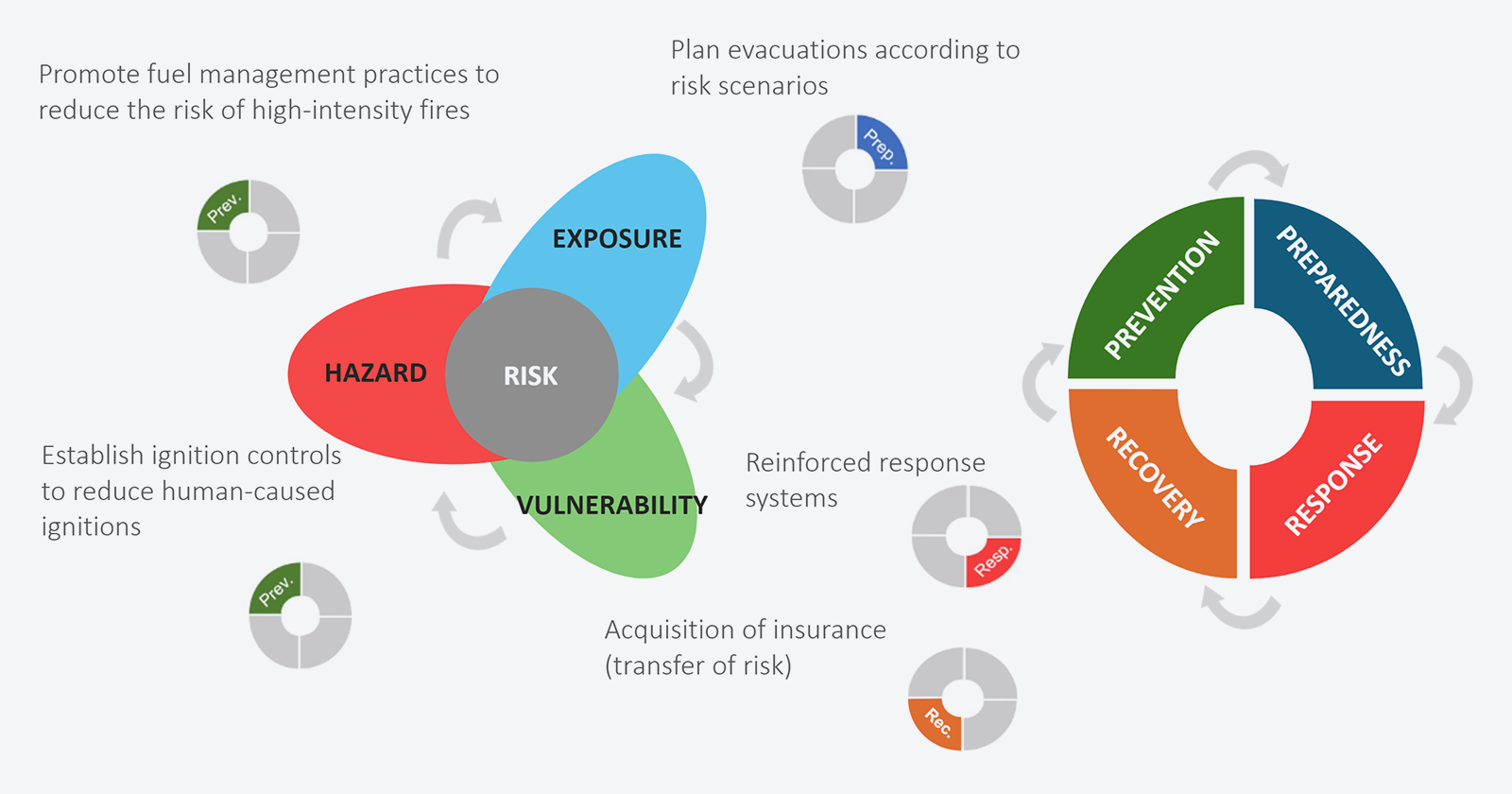
Figure 1. Wildfire risk mitigation measures.
Source: Compiled by the authors.
Smart solutions for fire management based on fuel management
Integrated fire management as a fuel management tool
Integrated fire management (IFM) has established itself as a key approach to tackling the rise in high-intensity wildfires. In contrast to a traditional strategy focused on suppression, IFM proposes a broader vision that integrates prevention, restoration and adaptive land management. Its main objective is not to eliminate fire, but to reduce its negative impacts and harness its ecological benefits, whilst maintaining sustainable fire regimes from both an ecological and socio-economic perspective.
The expansion and densification of woodland due to a lack of management, the abandonment of primary sector activities and policies aimed at excluding low-intensity fires have resulted in homogeneous landscapes that are highly vulnerable to extreme fires. In this context, forest management, and surface fuel management in particular, notably through silvicultural treatments, prescribed burning and grazing, lies at the heart of prevention and is a key pillar of an MIF strategy (Ascoli et al., 2023). These measures help to modify the structure, load and continuity of the fuel, thereby influencing fire behaviour and reducing the likelihood of extreme fires.
Silvicultural treatments alter forest structure, reduce the amount of fine fuel present–particularly in the undergrowth–and help to reduce the vertical and horizontal continuity of fuel, thereby lowering the likelihood of crown fires and limiting their intensity (Vilà-Vilardell et al., 2022). However, their implementation poses certain challenges, such as high costs, the need for regular maintenance and waste management generated by the treatment, which temporarily increases fire risk. Furthermore, these treatments need to be planned at the landscape scale to maximise their effectiveness, which requires coordination between multiple stakeholders.
Prescribed burning involves the application of low-intensity fire under controlled conditions to reduce fuel load, favour certain plant communities, improve the resilience of forest areas or enhance grazing value. Burning helps to remove fine–highly flammable–fuel, break up fuel continuity and create forest structures that hinder the spread of fires (Valor et al., 2022). However, its use is constrained by increasingly narrow weather windows, legal restrictions and limited social acceptance. Added to this is the need for specialised training and land planning to ensure its safety and effectiveness.
Grazing (Fire Blocks; The Spanish Platform for Extensive Livestock Systems and Pastoralism) is an effective tool for controlling herbaceous and shrubby fuel, as livestock help to maintain open and heterogeneous landscapes and offer a cost-effective solution for keeping fuel levels low in the long term. However, its effectiveness depends on proper land and temporal planning, as well as on the economic viability of livestock farming, which is currently in decline in many rural areas.
These fuel management tools are most efficient when applied in combination as part of a IFM strategy, adapted to the ecological and socio-economic conditions of the area. This requires planning at a landscape scale, based on an understanding of fire regimes, fire types and spread patterns, the characteristics of the area, fire management and firefighting capacity, and the identification of strategic areas for intervention. The integration of silvicultural treatments, prescribed burning and grazing helps to create more resilient landscapes, capable of limiting fire intensity and facilitating fire-fighting efforts. In order to implement an effective IFM strategy, it is necessary to move towards regulatory frameworks that facilitate the use of fire, foster greater social awareness and a fire culture, and ensure the economic viability of these tools.
The design of resilient landscapes and their transformation
Designing resilient landscapes to wildfires involves rethinking the landscape from a multifunctional, adaptive and socially legitimate perspective. This design is based on the participation of local stakeholders—forest owners, the primary sector, public authorities, emergency services and civil society—to define shared objectives that integrate the provision of multiple ecosystem services. This participatory approach enables fire risk reduction to be aligned synergistically with other social demands such as biodiversity conservation, biomass production, the roll-out of renewable energy, water regulation and the recreational use of the landscape.
From this perspective, the design involves landscape-scale planning of heterogeneous mosaics that break up the continuity of forest fuel and create opportunities for fire suppression. The identification of strategic areas for intervention, based on an analysis of potential fire behaviour and fire suppression capacity, enables the prioritisation of actions where fuel management measures—such as preventive silviculture, prescribed burning or grazing—have the greatest impact on risk mitigation (González-Olabarria et al., 2024). The FIRE-RES project has demonstrated that these designs are most effective when integrated with land use and local socio-economic dynamics, promoting actively managed living landscapes (Figure 2).
However, design alone is not enough: the transition towards resilient landscapes requires their effective transformation through a holistic and integrated approach. A key element in ensuring the sustainability of this transformation is the economic viability of the processes of change and the resulting landscapes. In this regard, it is essential to promote and consolidate economic activities linked to the land, for example, through the development of value chains for agroforestry products (biomass, timber, non-timber products, extensive livestock farming). These activities not only help to reduce the fuel load in a sustainable manner but also strengthen the rural socio-economic fabric and increase social acceptance of the interventions. To this end, diversified short-term and long-term incentives and funding schemes are required (Wunder et al., 2023), such as green bonds or differentiated insurance risk premiums, to complement the actions of public authorities. Recent initiatives are exploring the integration of nature-based solutions directly into insurance frameworks, recognising these measures as valuable assets capable of reducing losses, improving resilience and delivering co-benefits for nature and people.
In addition to the implementation of fuel management-based solutions, it is necessary to incorporate technological solutions that improve risk understanding and anticipation. These include vegetation monitoring tools, early warning systems and predictive models of fire behaviour in real time and under future scenarios.
Another essential component is communication with the public, fostering a greater understanding of fire and shared responsibility for prevention (Plana et al., 2024a). In parallel, training and knowledge-sharing initiatives among professionals and local communities facilitate the adoption of best practices and continuous adaptation to evolving risks. Furthermore, improving communication and interoperability among emergency services is key to managing extreme events.
Ultimately, the design and transformation of resilient landscapes constitute a dynamic process that combines biophysical interventions, economic viability, technological innovation, multi-level governance and social participation, forming a comprehensive response to the growing challenge of extreme wildfires.
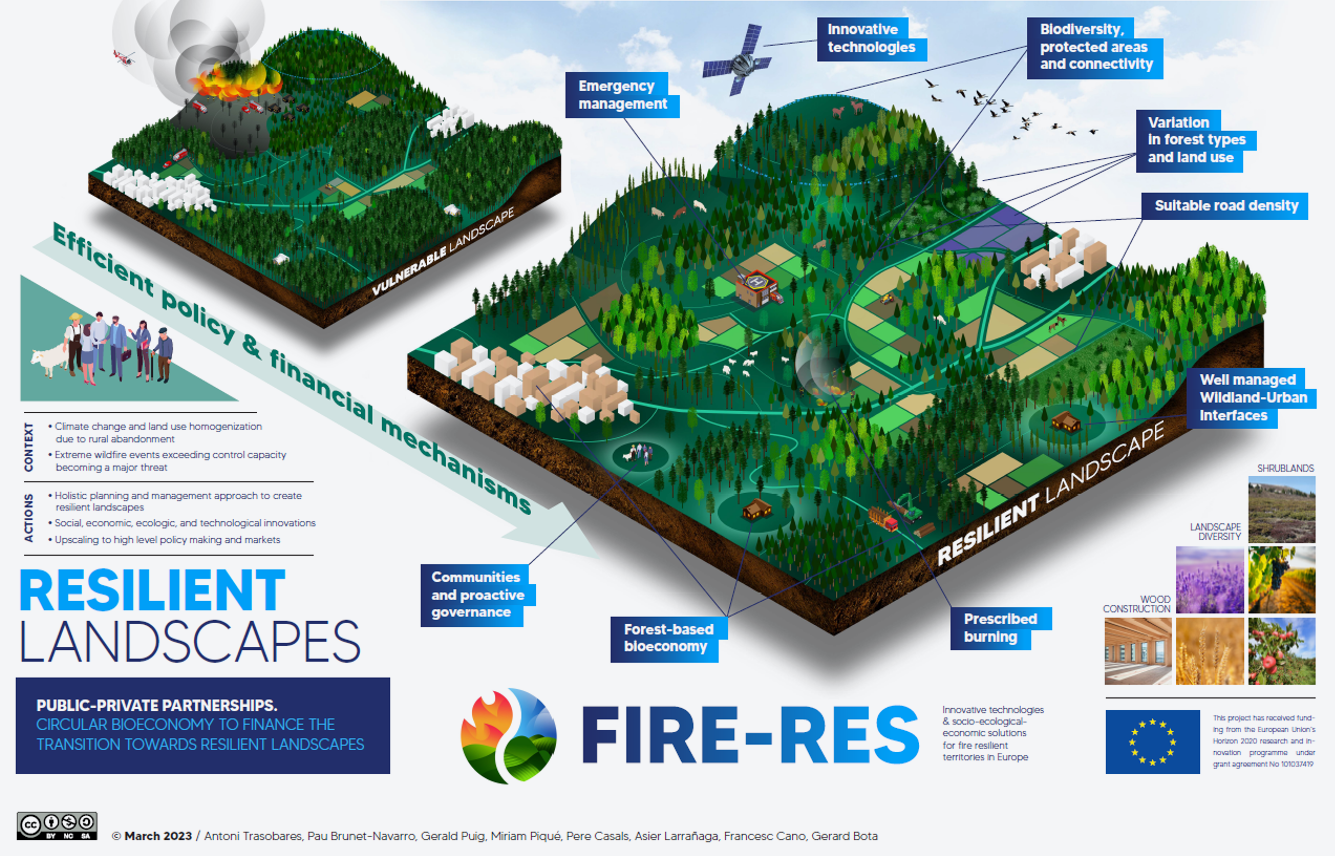
Figure 2. Configuration and characteristics of landscapes resilient to wildfires.
Source: FIRE-RES Project.
Active prevention measures in Wildland-Urban Interfaces
Wildland-Urban Interfaces (WUIs)–that is, homes and infrastructure bordering woodland–play a significant role in fire risk management policies, as they are areas of high exposure and vulnerability, both in terms of personal safety and heritage value. In Catalonia, by law, municipalities, isolated buildings and housing estates located within 500 m of woodland must have implemented a perimeter fire prevention strip of at least 25 m in place (which may be extended if, for example, the hillside is directly in the path of the fire and a greater distance needs to be covered to reduce the intensity of the fire front). The creation of this buffer zone is often supported by public funds, and its maintenance is financed through a municipal levy. Similar regulations exist in other Spanish regions. In Galicia, (Law 3/2007 of 9 April on the prevention of and protection against wildfires in Galicia. Section 21), for example, 50-metre buffer zones are established around rural settlements, including their developable land, and buildings, housing estates and isolated dwellings located less than 400 metres from woodland. In the case of Andalusia (Self-protection guidelines - Regional Government of Andalusia), the buffer zone must be at least 15 metres wide, whilst in the Region of Valencia (Legislative Decree 1/2021 of 18 June, issued by the Consell, approving the consolidated text of the Law on Land Planning, Urban Development and Landscape. Additional Provision 7a) the width of the buffer zone must be at least 30 metres, extendable to 50 metres if necessary. These buffer zones must contain a specific level of forest cover in accordance with the relevant regional legislation. The legal framework serves to provide a basis for easements and measures in the public interest affecting the owners of adjacent forest land. Similar regulations exist in other Mediterranean countries, such as France, Portugal and Greece. These buffer zones play a significant role in protecting homes from the impact of wildfires. However, there are shortcomings both in the implementation of the buffer zones and in the clearing of undeveloped interior plots. Furthermore, there are generally no standardised technical standards or building codes relating to the external impact of wildfires, as is the case in other countries such as the USA (Design with fire in mind: three steps to a safer new home) or Australia (Your busfire resilient home). There are some informational materials on these issues (Diputació de Girona et al., 2020) as well as guides and self-assessment tools for risk levels (Ma maison est-elle vulnérable en cas de feu de forêt ?; European Project FIREPRIME: Toolkit), although, once again, these are voluntary in nature and not backed by associated regulations.
In the case of road or rail infrastructure, or power lines, these are normally subject to regulations requiring the clearing of vegetation immediately adjacent to them or beneath the overhead power lines. The infrastructure owners must be responsible for carrying out these measures, which are therefore designed to reduce the risk of ignition or danger emanating from the infrastructure itself. However, there are no regulations defining the degree of exposure and vulnerability of road infrastructure to the impact of fires spreading from outside towards the infrastructure–equivalent to the perimeter strips mentioned above–nor are there any regulations requiring more far-reaching measures to ensure its functionality and safety in the event of fire.
A framework for policy coherence
Integrated wildfire risk management and the transition towards resilient landscapes and societies also require innovations in governance, promoting coordination between different administrative levels and sectors (forestry, agriculture, civil protection, land planning) to ensure policy coherence and effectiveness. In this regard, policy coherence provides a framework for analysis to identify conflicts but, above all, to foster synergies between forest fire risk reduction and the objectives of other sectoral policies (Plana et al., 2024b), such as economic development and investment security, civil protection and infrastructure protection, human health (fire emissions are a significant cause of mortality) or climate objectives, such as emissions reduction (predictably, emissions from fires may form part of the greenhouse gas inventory of the LULUCF system: Land Use, Land-Use Change, and Forestry).
However, achieving such coherence remains a challenge due to political fragmentation, sectoral interests and the complexities of jurisdictional governance (both horizontal and vertical). Therefore, establishing a robust technical, legal, and financial framework recognising and supporting the protective ecosystem service provided by managed forests against wildfires should be a key policy priority (Figure 3). Collaborative governance structures, alongside public-private partnerships and appropriate funding mechanisms, are essential for highlighting the benefits of this protective function, particularly from the perspective of the avoided costs of potential fires. Complementarily, the development of instruments based on the principle of ‘risk responsibility’ to encourage those who contribute to creating risk to also assume co-responsibility for mitigation and adaptation measures–for example, by promoting “smarter” urban planning in relation to fire risk–would help to strengthen publicly funded prevention and fire-fighting programmes, generally managed by forestry and emergency services.
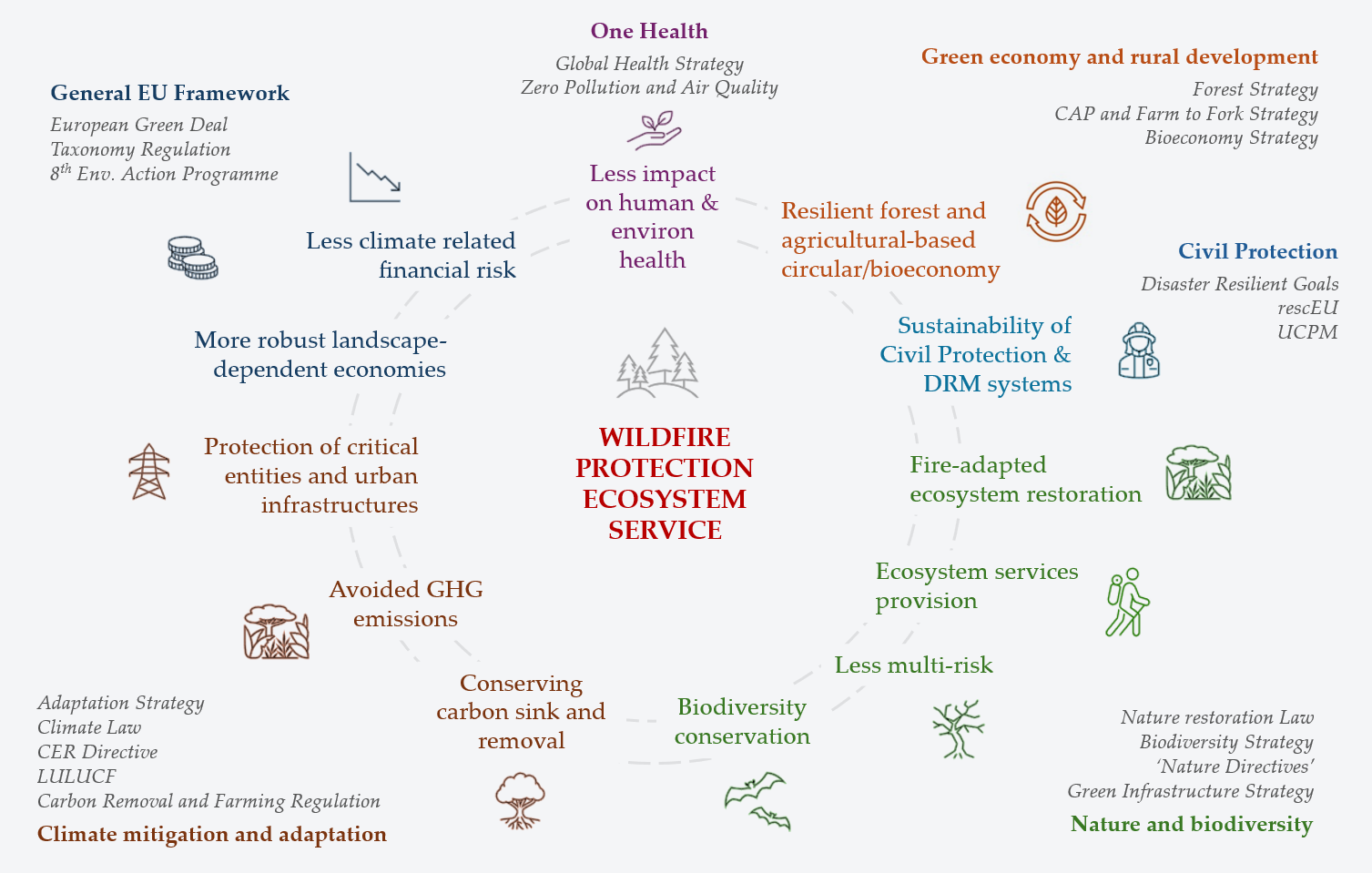
Figure 3. Relationships between policies and the role of fire prevention and protection.
Source: Plana et al., 2024b.
Therefore, policy design and implementation should consider potential trade-offs within the process of “constructing” risks (i.e. the increase in hazard, exposure and vulnerabilities) and foster sectoral synergies to “deconstruct” them in a cost-effective, socially acceptable and sustainable manner (OECD, 2023). Rather than being the responsibility of a single agency, disaster risk reduction policies are positioned as a whole-of-government approach within frameworks of collaboration and participation, as demonstrated by recent European initiatives such as the Wildfire Peer Review Assessment Framework, the communication on integrated wildfire management strategy, and the EU preparedness union strategy.
Dual prevention: from normal fires to extreme fires – global and individual action
The growing risk of wildfires poses complex challenges for prevention and fire-fighting systems. So-called ‘normal’ wildfires may become more frequent, occur throughout the year or happen simultaneously. Furthermore, the spread of environmental conditions that favour the spread of fires to new areas requires risk management systems to be adapted or even developed from scratch. At the same time, so-called extreme fires are becoming increasingly frequent; these have the potential to overwhelm not only fire-fighting systems, but the entire risk management framework, from prevention through to recovery (Berchtold et al., 2025). Recurring and large-scale wildfires can, for example, limit the availability of and access to insurance cover in certain regions (Cignarale et al., 2017). The simultaneous occurrence of fires may force fire-fighting services to prioritise certain fires over others, and such decisions will have different impacts across different territories. The increasing risk of fires may therefore exacerbate social impacts and inequalities, affecting vulnerable groups. In this regard, integrating justice considerations throughout the entire fire risk management cycle (Schinko et al., 2023) can help to promote more inclusive, collaborative and equitable disaster risk reduction strategies in terms of access to resources.
In this context, a dual challenge arises: on the one hand, addressing the improvements needed to manage ‘normal’ wildfires and, on the other, adapting to and preparing for extreme events. Whilst there is broad consensus on the need to shift from suppression-focused strategies to prevention-oriented approaches, this transition towards structural hazard reduction will take time, and continuous improvements in the response to wildfires remain essential.
Perceptions of responsibility for risk may vary amongst members of the public, the private sector and the authorities. Current exposure to wildfires may stem from past decisions, such as authorising building near wooded areas. Transferring shared responsibility for risk management to homeowners (for example, through legislation concerning the buffer zones around housing estates) must be consistent with the government’s current or past role in creating the exposure of homes to wildfires. This is all the more true given that perceived responsibility for risk management is one of the key factors motivating individual preventative action, alongside the perceived effectiveness of risk-reduction measures, confidence in one’s own ability to implement these measures, and the level of trust in the institutions promoting such actions (Martin et al., 2007). Risk awareness must be accompanied by sufficient technical and financial resources to enable individual action, thereby avoiding the risk perception paradox (Wachinger, 2013), according to which such perception is insufficient if citizens do not have, or do not have access to, the appropriate tools to act.
Conclusions
Reducing wildfire risk through fuel management is gaining increasing political recognition, positioning the paradigm of fire-resilient landscapes as a key pillar of strategies for mitigating and adapting to wildfire risk (and other climate-related risks) in the coming years. A focus on smart fire solutions, policy coherence, adaptive management in response to the growing risk of extreme events, and the incorporation of environmental justice principles into inclusive and holistic governance can enable us to tackle present and future challenges more effectively. This is all the more true given that many fuel management practices are culturally embedded in our landscapes and offer multiple additional benefits beyond risk reduction, such as promoting bioeconomy or the conservation and restoration of biodiversity. All of this provides a coherent framework within which, if efficiently implemented, fire risk prevention can be promoted not so much as a cost but as an investment in a safer and healthier territory, society and economy.
References
Ascoli, D., Plana, E., Barbati, A., Tomao, A., Colonico, M., Corona, P., Giannino, F., Moreno, M., Xanthopoulos, G., Kaoukis, K., Athanasiou, M., Colaço, C., Rego, F., Sequeira, A.C., Acácio, V., Serra, M. & Oggioni, S. 2023. Fire-smart solutions for sustainable wildfire risk prevention: Bottom-up initiatives meet top-down policies under EU greendeal. International Journal of Disaster Risk Reduction 92. https://doi.org/10.1016/j.ijdrr.2023.103715(A new window will open)
Badia, A., Saurí, D., Cerdan, R. & Llurdés, J. C. 2002. Causality and management of forest fires in Mediterranean environments: an example from Catalonia. Global Environmental Change Part B: Environmental Hazards, 4 (1), 23–32. https://doi.org/10.1016/S1464-2867(02)00014-1(A new window will open)
Berchtold, C., Plana, E., Costa Saura, JM., Kalapodis, N., Sakkas, G., Handmer, J., Linnerooth-Bayer, J., Scolobig, A., Tsaloukidis, T., Ballereau, D., Monet, J-P, Serra, M. & Garofalo, M. 2025. Disaster risk management tipping points: impacts of extreme wildfire events and the resulting need for layered disaster risk management solutions. International Journal of Disaster Risk Reduction 131. https://doi.org/10.1016/j.ijdrr.2025.105894(A new window will open)
Cignarale, T., Laucher, J., Allen, K. & Landsman-Smith, L. 2017. The Availability and Affordability of Coverage for Wildfire Loss in Residential Property Insurance in the Wildland-Urban Interface and Other High-Risk Areas of California: CDI Summary and Proposed Solutions. California Department of Insurance. 44pp. https://www.insurance.ca.gov/0400-news/0100-press-releases/2018/upload/nr002-2018AvailabilityandAffordabilityofWildfireCoverage.pdf(A new window will open)
Diputació de Girona & Direcció General de Prevenció, Extinció d’Incendis i Salvaments. Guía de Pirojardinería. Guía práctica de jardinería adaptada a la prevención de incendios forestales. Girona: Diputació de Girona, 2020. 319 p. https://dsp.interior.gencat.cat/handle/20.500.14007/2967#page=1(A new window will open)
FAO. 2024. Integrated Fire Management Voluntary Guidelines – Principles and strategic actions. Second edition. Forestry Working Paper, No. 41. Rome. https://doi.org/10.4060/cd1090en(A new window will open)
González-Olabarria, J.R., Krsnick, J., Busquets, E., Piqué, M., Vassilev, V., Cvetkova, N., Ivanov, N., Panayotov, M., Kostov, G., Rodriguez-Fernandez, S., Reynolds, K. M., Murphy, P. & Borges, J. 2024. Defining fuel management priority areas to facilitate support efforts, through multicriteria participatory processes. DOI: 10.5281/zenodo.13990213 (D2.6_FIRE-RES_Designing-strategic-networks-of-managed-areas-to-improve-suppression-efforts-against-EWE.pdf)
Molina-Terrén, D.M., Xanthopoulos, G., Diakakis, M., Ribeiro, L., Caballero, D., Delogu, G.M., Viegas, D.X., Silva, C.A. & Cardil, A. 2019. Analysis of forest fire fatalities in southern Europe: Spain, Portugal, Greece and Sardinia (Italy). International Journal of Wildland Fire 28: 85–98 https://doi.org/10.1071/WF18004(A new window will open)
Organization for Economic Cooperation and Development. 2023. Taming Wildfires in the Context of Climate Change; OECD: Paris, 2023. https://doi.org/10.1787/dd00c367-en(A new window will open)
Pausas, J.G. & Vallejo, V.R. (1999). The role of fire in European Mediterranean ecosystems. In: Chuvieco, E. (eds), Remote Sensing of Large Wildfires. Springer, Berlin Heidelberg, pp. 3–16. https://doi.org/10.1007/978-3-642-60164-4_2(A new window will open)
Plana, E., Serra, M., Nebot, S., Smeenk, A., Macri, P., Vendrell, J., Pronto, L., Canaleta, G., Gomes, J. & Alfonso, L. 2024a. Wildfire risk awareness and communication: Analysis of good practices. Union Civil Protection Knowledge Network. https://doi.org/10.5281/zenodo.10817549(A new window will open)
Plana, E. 2025. Refocussing wildfire risk management in a growing disaster risk context. PhD thesis in The Department of Agricultural and Forest Sciences and Engineering of the University of Lleida.
Plana, E., Serra, M., Smeenk, A., Regos, A., Berchtold, C., Huertas, M., Fuentes, L., Trasobares, A., Vinders, J. N., Colaço, C. & Bonet, J.A. 2024. Framing Coherence Across EU Policies Towards Integrated Wildfire Risk Management and Nature-Based Solutions. Fire 2024b, 7, 415. https://doi.org/10.3390/fire7110415(A new window will open)
Schinko, T., Berchtold, C., Handmer, J. Deubelli-Hwang, T., Preinfalk, E., Linnerooth-Bayer, J., Scolobig, A., Serra, M. & Plana, E. 2023. A framework for considering justice aspects in integrated wildfire risk management. Nat. Clim. Chang. 13, 788–795. https://doi.org/10.1038/s41558-023-01726-0(A new window will open)
Serra, M. & Plana, E. 2022. Gestión de riesgos naturales: Protección civil y cambio climático. Revista Incendios y Riesgos Naturales 6:35-36. https://revistarirn.org/wp-content/uploads/2022/04/RIyRN_Marzo2022_n06med.pdf(A new window will open)
Tedim, F., Leone, V. & Xanthopoulos, G. A. 2016. A wildfire risk management concept based on a social-ecological approach in the European Union: Fire Smart Territory. International Journal of Disaster Risk Reduction, 18, 138–153. https://doi.org/10.1016/J.IJDRR.2016.06.005(A new window will open)
United Nations Environment Programme, G.-A. 2022. Spreading like Wildfire: The Rising Threat of Extraordinary Landscape Fires - A Rapid Response Assessment. https://wedocs.unep.org/20.500.11822/38372(A new window will open)
United Nations Office for Disaster Risk Reduction. 2022. Global Assessment Report on Disaster Risk Reduction 2022: Our World at Risk: Transforming Governance for a Resilient Future. Geneva.
Valor, T., Piqué, M., Vilà-Vilardell, L. & Casals, P. 2022. Ventanas de oportunidad para el uso de la quema prescrita como herramienta de gestión forestal. Actes del 8è Congrés Forestal Espanyol, vol. 8CFE, núm. 176, p. 1-23.
Vilà-Vilardell, L., De Cáceres, M., Piqué, M., Valor, T. & Casals, P. 2022. Fomento de la resistencia de pino laricio frente a sequías e incendios mediante la gestión forestal. Evaluación con dendrocronología y modelización. Actes del 8è Congrés Forestal Espanyol, vol. 8CFE, núm. 969, p. 1-12.
Wachinger, G., Renn, O., Begg, C. & Kuhlicke, C. 2013. The Risk Perception Paradox–Implications for Governance and Communication of Natural Hazards. Risk Anal. Jun;33(6):1049-65. https://doi.org/10.1111/j.1539-6924.2012.01942.x(A new window will open). Epub 2012 Dec 24. PMID: 23278120.
Wunder, S., Fraccaroli, C., Górriz-Mifsud, E. & Varela, E. 2023. Can economic incentives help reducing wildfire risk? FIRE-RES project. CTFC Policy brief series 2. DOI: 10.5281/zenodo.7994139 (D3.1.pdf).
The expansion and densification of woodland due to a lack of management, the abandonment of primary sector activities and policies aimed at excluding low-intensity fires have resulted in homogeneous landscapes that are highly vulnerable to extreme fires. In this context, forest management, and surface fuel management in particular, notably through silvicultural treatments, prescribed burning and grazing, lies at the heart of prevention and is a key pillar of an MIF strategy (Ascoli et al., 2023). These measures help to modify the structure, load and continuity of the fuel, thereby influencing fire behaviour and reducing the likelihood of extreme fires.