Cartography of Flood-prone Areas in Spain: The National Flood Zone Mapping System as a Risk Management Tool
Juan Francisco Arrazola Herreros
Borja Rodríguez Cuenca
Francisco Javier Sánchez Martínez
Directorate General for Water, Ministry for the Ecological Transition and the Demographic Challenge
Floods represent the natural hazard causing the greatest economic damage and material losses in Spain, having a direct impact on the insurance sector and on society. To address this situation, the National Flood Zone Mapping System (SNCZI for the initials in Spanish of Sistema Nacional de Cartografía de Zonas Inundables) has established itself as a fundamental technical and informational tool for understanding and managing flood risk.
This article analyses what the SNCZI is, where its information is located, the mechanisms and methodologies used in its development, and the crucial legal implications introduced by the Public Hydraulic Domain Regulations (RGDPH for its initials in Spanish) regarding restrictions on land use in flood-prone areas.
The National Flood Zone Mapping System
The SNCZI was legally established in 2008 through an amendment to Royal Decree 849/1986 of 11 April, stating the Regulations on the Public Hydraulic Domain (RDPH), implementing Titles I, I, IV, V, VI and VII of Law 29/1985 of 2 August on Water, to serve as the official system for the integration and dissemination of cartography relating to flood risk, as well as for the demarcation of the public water domain and its associated areas.
This amendment had been preceded by the adoption of Directive 2007/60/CE of the European Parliament and of the Council of 23 October 2007 on the assessment and management of flood risks, which was transposed into Spanish law by Royal Decree 903/2010 of 9 July. This regulation establishes a cyclical process—to be reviewed every six years—structured in three phases:
- The Preliminary Flood Risk Assessment (PFRA), designed to identify river and coastal sections with the most significant potential risk (known as Areas of Potentially Significant Flood Risk or APSFR).
- The production of Flood Hazard and Risk Maps (FHRM).
- The preparation and approval of Flood Risk Management Plans (FRMP).
The maps produced to comply with the second phase of the Directive form the core of the SNCZI.
In addition to flood-prone areas, the SNCZI includes the reference cartography of the various legal zones associated with riverine areas as set out in water legislation:
- The Public Hydraulic Domain (DPH for its initials in Spanish): comprising, amongst others and for the purposes of this article, the channels of natural watercourses—whether continuous or intermittent—, the beds of lakes and lagoons, and those of surface reservoirs on public watercourses.
- A five-metre-wide easement zone for public use.
- A one-hundred-metre-wide regulatory zone.
The following image summarises the zoning of the riverine area based on the information available in the SNCZI:
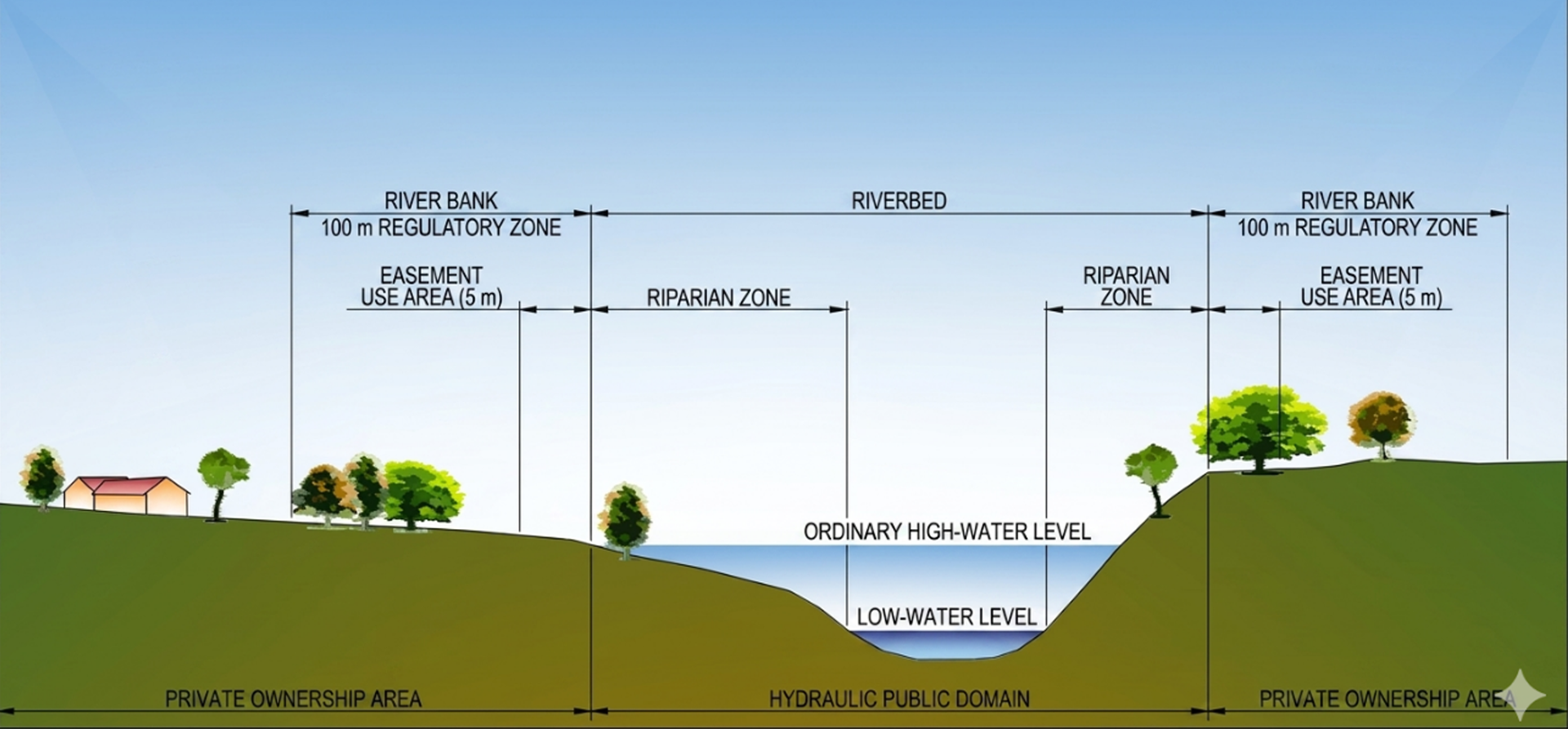
Figure 1. Zoning of the riverine area.
Source: Ministry of Agriculture, Food and Environment.
Following the amendment in 2023, the RDPH sets out in detail the procedure for incorporating new maps into the SNCZI.
The SNCZI is therefore a comprehensive spatial information system that brings together the official cartography produced by the various authorities involved, and its main objectives are:
- To provide consistent and accessible information on flood risk, in compliance with the requirements of the Flood Directive.
- To improve the management of the public hydraulic domain.
- To support spatial and urban planning.
- To promote transparency and public access to information.
- To facilitate emergency planning and civil protection.
- To serve as a basis for the preparation of flood risk management plans.
The regulations establish a direct link between flood hazard mapping and administrative procedures relating to land use, urban planning and authorisations within the public hydraulic domain, as will be seen in the final section of this article. The information contained in the SNCZI therefore has significant legal and administrative implications, in addition to its obvious technical value.
Mapping of flood-prone areas
The mapping of flood-prone areas that forms part of the National Flood-Prone Area Mapping System (SNCZI) is the result of a rigorous technical process combining hydrology, hydraulics, geomorphology and historical flood analysis.
With the aim of standardising criteria and ensuring methodological consistency across all studies incorporated into the SNCZI, the Directorate General for Water drew up, in 2011, the ‘Guía metodológica para el desarrollo del Sistema Nacional de Cartografía de Zonas Inundables’ (Methodological Guide for the Development of the National Flood Zone Mapping System), which sets out detailed technical recommendations for the preparation of these studies.
The technical preparation process can be broken down into the following main phases:
Gathering initial information
The first step involves gathering all the information required to characterise the territory and the hydrological behaviour of the catchment.
The main sources of information used include:
- Digital terrain models obtained using LiDAR technology.
- Current and historical orthophotos.
- Meteorological and hydrological data.
- Inventories of hydraulic infrastructure and bridges.
- Land use information.
- Historical flood records.
- Previous flood risk studies.
The use of LiDAR technology meant a fundamental advance, as it provides highly accurate digital terrain models, which are essential for accurately representing the hydraulic behaviour of floods.
Hydrological studies: determination of flow rates
Based on the baseline data, the necessary hydrological studies are carried out to estimate the flow rates associated with different probabilistic scenarios in the area of interest.
These flow rates are estimated using statistical methods applied to data series from gauging stations (if the section is suitably equipped) or using hydrometeorological models (which convert rainfall into flow) based on data from the maximum daily rainfall recorded in the various meteorological networks.
Thus, these studies include:
- Statistical analysis of historical flow series.
- Characterisation of extreme rainfall.
- Rainfall-runoff modelling.
- Reservoir attenuation analysis.
- Estimation of flood hydrographs.
Various probabilistic scenarios are selected based on their return periods:
- 10 years: high probability.
- 100 years: medium probability.
- 500 years: low probability or extreme event.
The selection of these scenarios is set out in the Flood Directive and Royal Decree 903/2010, which transposes it.
Hydraulic studies
Once the design flows for each return period have been obtained, mathematical hydraulic models are used to simulate how that volume of water will flow along the river channel and its adjacent floodplains.
To do this, it is essential to have an accurate digital representation of the terrain, for which very high-resolution Digital Terrain Models (DTMs), generated from LiDAR (from the Spanish National Aerial Orthophotography Plan, PNOA for its initials in Spanish), are fundamental. The models also incorporate detailed information on infrastructure, such as bridges or other crossing structures, levees, channellings, etc., which effect can be decisive in the behaviour of floods.
The DTMs and design flow rates are input into hydraulic simulation programmes (which may be one-dimensional or two-dimensional, such as HEC-RAS or Iber). Once the fundamental parameters have been entered and calibrated, the software provides the following results with a high degree of accuracy:
- The extent of the water surface (flooded area).
- The water depth (the height or depth reached by the water in metres).
- The velocity and direction of the flow.
Geomorphological and historical analysis
One of the distinctive features of the Spanish methodology is the integration of geomorphological and historical analysis.
Experience has shown that hydraulic modelling must be complemented by the study of:
- Former river courses.
- Alluvial plains.
- Sedimentary evidence.
- Historical photographs.
- Traces of past floods.
This multidisciplinary approach is particularly important for identifying high-risk areas and for correctly interpreting the natural functioning of river systems, as well as the results of the mathematical models themselves.
Finalisation of the maps
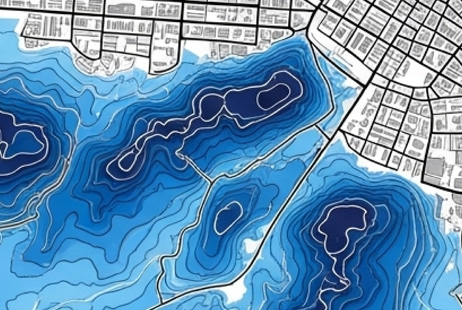
Using all this information, the official flood hazard and risk maps are then produced.
The risk maps, which identify the potential adverse consequences of flooding for the population, economic activities, points of special interest and areas of environmental importance, are produced by cross-referencing hazard maps with the information available for each of these factors at risk.
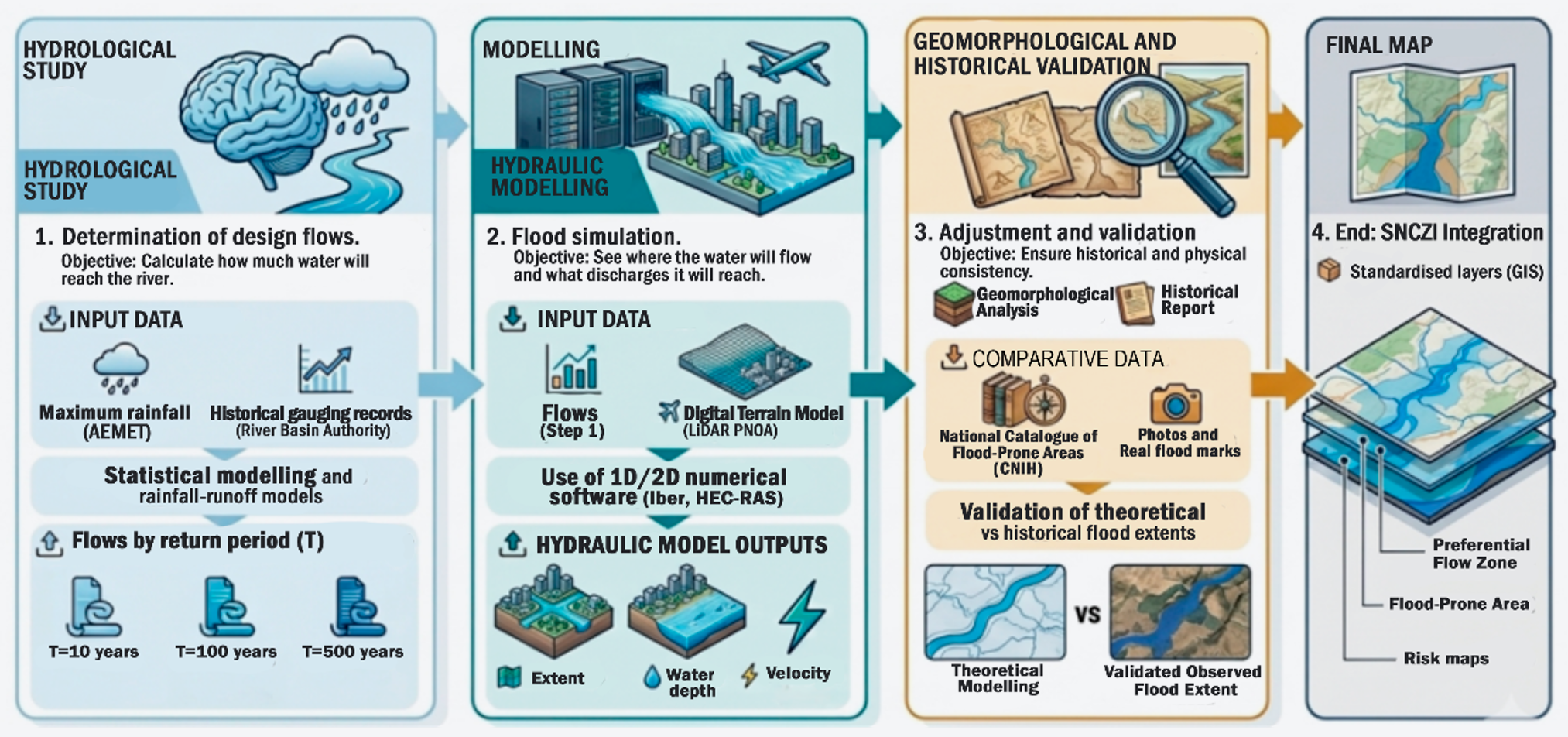
Figure 2. Diagram illustrating the mapping process.
Source: Own work generated by AI.
The results are subject to public consultation and quality controls to ensure consistency across the various studies incorporated into the system. To guarantee this, and as more information has been added to the system, the original guide has been supplemented with other reference documents.
Finally, after completing the entire preparation procedure regulated by the RDPH, the mapping is incorporated into the SNCZI viewer and becomes part of the official information available to public authorities, professionals and citizens.
In this regard, it is important to note that, although it was already possible to incorporate studies not carried out by water authorities, the 2023 amendment to the RPDH expressly regulates the procedure for integrating mapping produced by other authorities or project developers into the SNCZI.
Information held by the SNCZI
The SNCZI currently incorporates a wide range of map layers relating to flood hazards, associated risks, and the public water domain.
The information is publicly available via a map viewer and interoperable download and viewing services. In addition, much of the information can also be accessed via the InfoAgua app, which makes it easier to check the situation in the field.
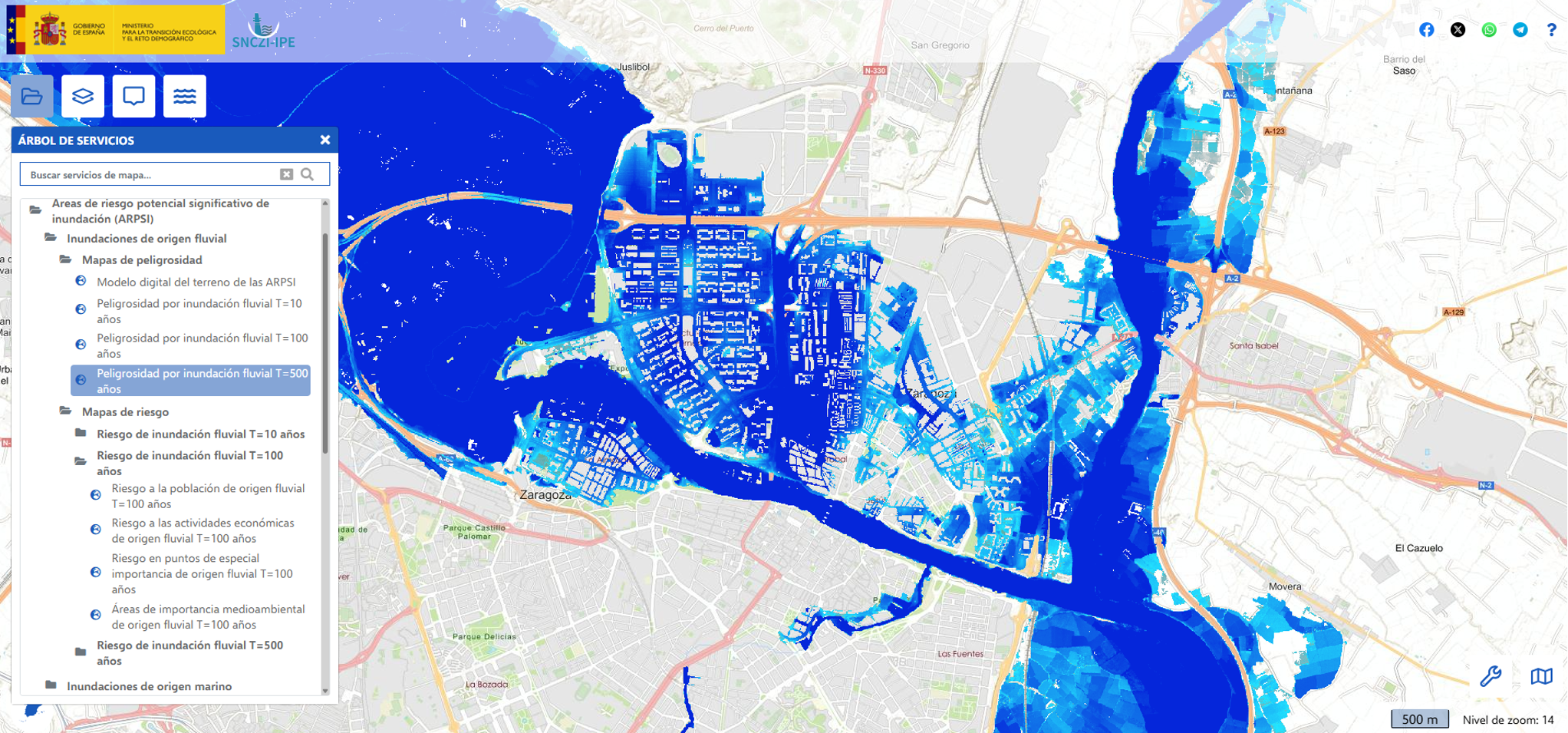
Figure 3. View of the SNCZI display.
Source: Prepared by the authors.
Below is a summary of the most relevant layers for flood risk management currently available in the SNCZI:
Areas of Potentially Significant Flood Risk (APSFR). Represented as polylines on the hydrographic network, these layers identify the river sections that have been classified as ASPFR in accordance with the Flood Directive. This means that it is mandatory to produce hazard and risk maps for these areas and that measures must be designed to reduce the risk in them. Each section is associated with information on the origin and mechanism of the flooding, its historical and potential consequences—for human health, the environment, cultural heritage and economic activity—and the selection criteria used. Flood loss data from Consorcio de Compensación de Seguros are fundamental to this selection process, as they enable the identification of areas with the highest historical damage, as well as those where an increase in claims has been detected in recent years.
Hazard maps for return periods of 10, 100 and 500 years. Raster layers containing the expected water depth data for each return period. These are obtained as a virtually direct output from hydraulic simulation models.
Extent of flood-prone areas for return periods of 10, 50, 100 and 500 years. These form the cornerstone of the SNCZI’s mapping. They represent, in vector format, the maximum probable extent that floodwaters could reach during floods for each return period and are created by enveloping the depth rasters. For each area, key information is recorded regarding the calculation assumptions used: natural or altered regime (where there is a dam with significant flood control capacity), the hydraulic model used, the design flows, and whether the area is subject to the Flood Directive.
Preferential Floodway (ZFP for its Spanish initials). Derived from the depth and velocity layers for the 100-year return period, the PFZ identifies the riverine area with the highest flow intensity during flooding and where the hazard to people and property is greatest. It will be contained within the 100-year return period floodplain.
Conceptually, both the extent of the flood zone or ZFP and the raster depth layers are hazard maps.
Public Hydraulic Domain, Police Zone and Easement Zone. The SNCZI includes zones delineating the cartographic Public Hydraulic Domain—obtained using hydrological-hydraulic and geomorphological methods—and from the demarcated Public Hydraulic Domain, resulting from an official administrative procedure based on the same calculations as the mapped Public Hydraulic Domain. Easement and police zones are also included for both. These layers constitute an essential reference for river basin authorities when issuing reports on authorisations within the Public Hydraulic Domain and the police zone.
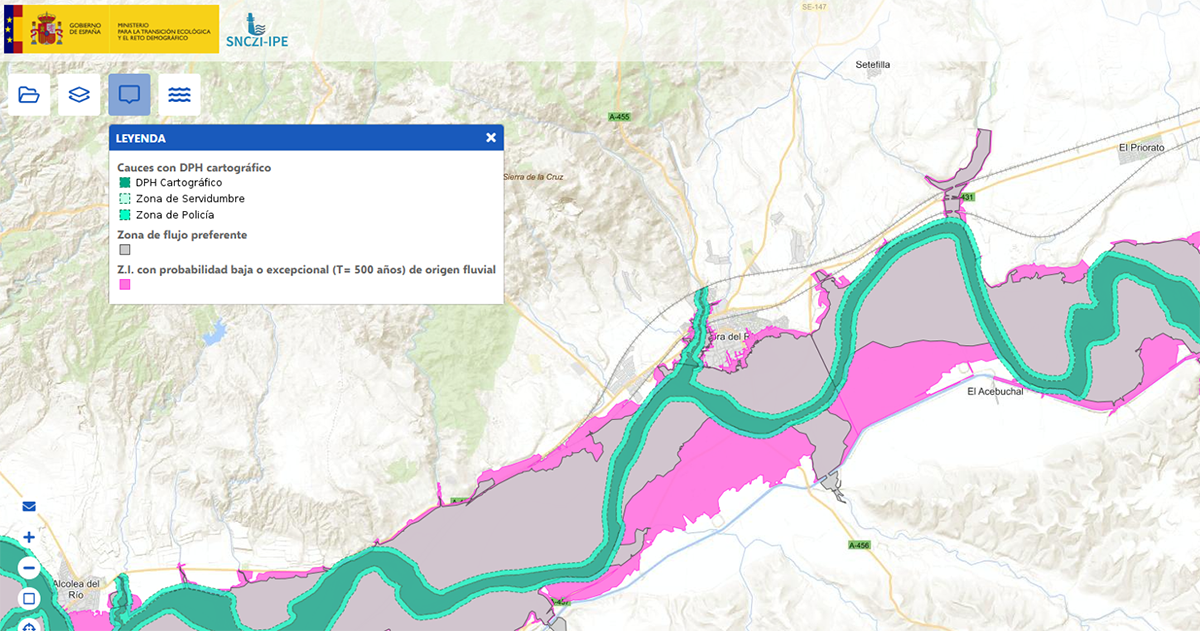
Figure 4. Flood-prone area (T500), ZFP and DPH (SNCZI viewer).
Source: Prepared by the authors.
Risk maps for return periods of 10, 100 and 500 years. Four types of maps are produced, always based on flood zone extent maps:
- Population risk map, estimating the number of potentially affected inhabitants using a methodology based on overlaying the flood zone with census tracts from the Spanish Statistical Office (INE) and the buildings in the National Topographic Database at a scale of 1:25,000 (BTN25). The third cycle incorporates vulnerability indicators: female-to-male ratio, population density, percentage of foreign population, dependency ratio for those over 65, and percentage of the population with primary education or below.
- Economic activity risk map, identifying the land uses present in the flood-prone area—concentrated urban, industrial, agricultural, forestry, infrastructure, etc.—based on the Land Use Information System for Spain (SIOSE for its Spanish initials) and BTN25, and includes an estimate of the economic damage and annual risk associated with each area. This estimate currently constitutes a first, coarse-grained approximation that allows ASPFRs to be classified according to economic risk. However, subsequent work will need to integrate all available CCS information to refine the calculation and ensure that the absolute values better approximate the damage expected.
- Risk map at points of special importance, identifying facilities with high potential for pollution-related damage (subject to industrial emissions regulations), wastewater treatment plants, cultural heritage sites, and a wide range of significant facilities for civil protection that require priority protection or whose failure would paralyse emergency services: hospitals, health centres, educational centres, care homes, campsites, sports facilities, transport hubs, energy facilities and industries in which SEVESO Directive applies (aimed at the prevention of major accidents in certain industries), as well as nuclear and radioactive facilities.
- Risk map for areas of environmental importance, including the water bodies covered by the Water Framework Directive, protected areas for the collection of water intended for human consumption, the water bodies for recreational use, and the areas within the Natura 2000 Network (SCIs/SACs and SPAs) that may be affected.
The risk maps are available only for ASPFRs.
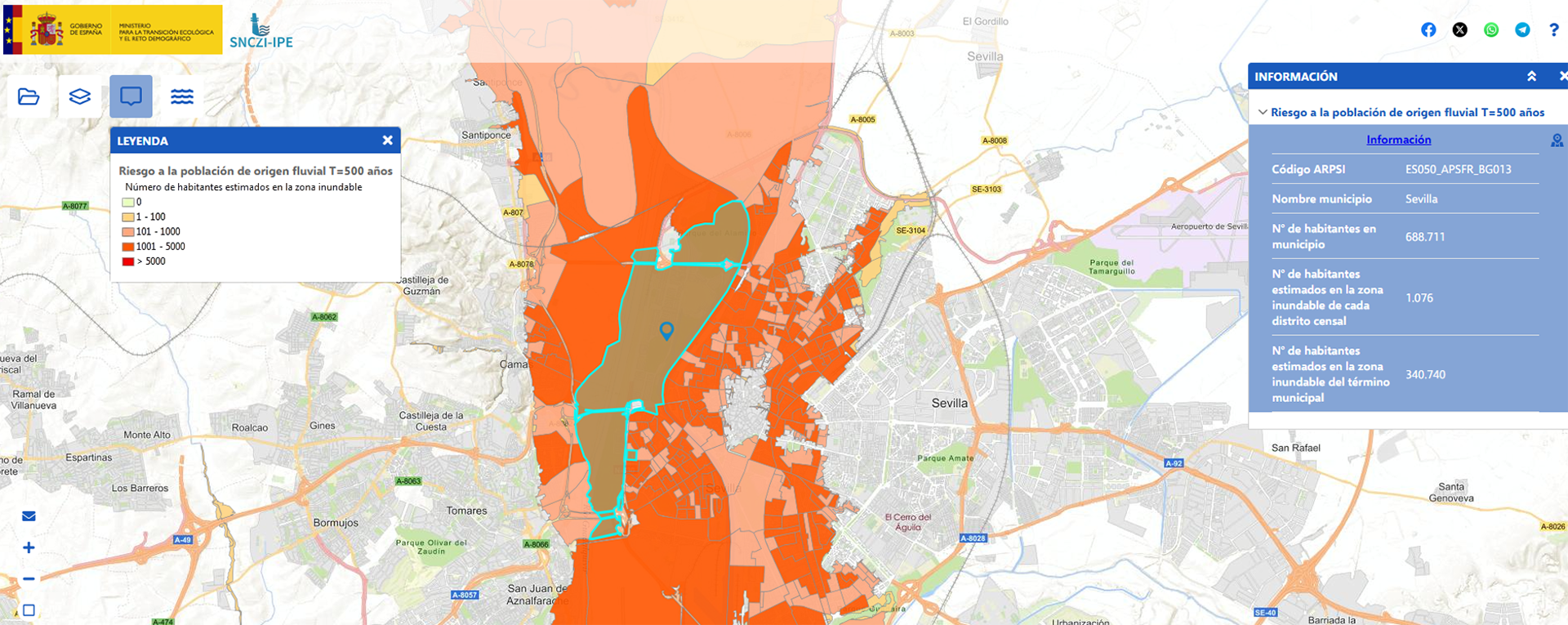
Figure 5. Population risk map (SNCZI viewer).
Source: SNCZI.
Restrictions on land use in flood-prone areas
The 2016 amendment to the RDPH introduced restrictions on land use in flood-prone areas to prevent increased exposure in high-risk areas.
The SNCZI is a fundamental tool for managing these restrictions, but it is essential to remember that the restrictions on land use set out in the Public Hydraulic Domain Regulations apply by law, meaning that their applicability does not depend on the existence of published maps within the system. The absence of information in the SNCZI for a given area does not imply that the land in question is not flood-prone or that the corresponding regulatory provisions do not apply, but merely that no official boundary has been incorporated into the system. Consequently, the SNCZI maps should be understood as representing the flood-prone areas studied and delimited to date; their absence in certain areas does not imply the non-existence of flood risk or of the legal restrictions associated with it.
The RDPH establishes a differentiated system of conditions and restrictions on land use depending on the hazard zone and the land classification in accordance with Royal Legislative Decree 7/2015, of 30 October, which approves the consolidated text of the Land and Urban Regeneration Act in which the land is located.
The most significant restrictions from a land-use planning perspective are concentrated in the Preferential Floodway (ZFP for its initials in Spanish). In accordance with Article 9.2 of the RDPH, only activities that are not vulnerable to flooding and do not entail a significant reduction in drainage capacity may be authorised in this zone. The regulations expressly identify, amongst others, healthcare, educational and care-related uses as incompatible with the ZFP, whilst also significantly restricting the construction of new residential buildings.
In the flood-prone zone in the broad sense—those defined for a 500-year return period—the restrictions are less strict, but the establishment of vulnerable uses must nevertheless be avoided and, should this occur, buildings and facilities must be designed taking this risk into account, with newly created residential uses situated above the maximum expected water level for a 500-year flood.
The following table shows the full range of land-use restrictions in flood-prone areas:
| Land Use | Preferential floodway | Flood-prone area | ||||
|---|---|---|---|---|---|---|
| Rural land | Urbanized land | Special regime for municipalities with high likelihood of flooding | Rural land | Urbanized land | ||
| School or health centres, retirement homes, disability care homes, sports centres, penitentiary facilities, fire stations, Civil Protection facilities | No | No | Only if there is no alternative location and if it is designed with security | To be avoided, unless there is no alternative location and if it is designed with security | Can be permitted if security conditions are considered to the possible extent | |
| Large commercial areas where crowds of people could gather | No | No | No | |||
| Buildings, repair works, rehabilitation or change of use, underground garages, basements and surface car parks, and other underground buildings | No | Yes, with security conditions | Yes, with security conditions | Yes, with security conditions | Yes, if security conditions are considered to the possible extent | |
| Facilities where products likely to be hazardous to human health and the environment are handled such as gas stations, industrial treatment plants, waste stores or electrical facilities for high and medium tension | No | No | No | Yes, with security conditions | Can be permitted if security conditions are considered to the possible extent | |
| Campsites, accommodations areas and buildings associated with campsites | No | These activities do not usually occur in urbanized land. If they happen to exist, at least the corresponding security conditions must be guaranteed | Yes, with security conditions and outside the police area | To be avoided, unless there is no alternative location and if it is designed with security | ||
| Urban wastewater treatment plants | Only if there is no alternative location or if systems are compatible | Only if there is no alternative location or if systems are compatible | ||||
| Greenhouses, non-permeable enclosures and fences, material or waste storage | No | No | Yes | Yes | ||
| Changes in land morphology that could alter the capacity of discharge | No | Yes | Yes | Yes | ||
| Livestock breeding farms | No | Yes, with security conditions and outside the police area | Yes | Yes | ||
| Linear infrastructures in parallel to the riverbed | Only if there is no feasible alternative to these infrastructures and if the latter have been designed | Only if there is no feasible alternative to these infrastructures and if the latter have been designed | Yes | Yes | ||
| Sanitation and water supply infrastructures and other underground pipes; works for maintenance, enhance and protection | Yes | Yes | Yes | Yes | Yes | |
| Buildings for agricultural use with a maximum of 40 m² and works associated with water uses allowed by Spanish Water Act | Yes, with security conditions | Yes, with security conditions | Yes, with security conditions | Yes | Yes | |
Figure 6. Restrictions on land use in flood-prone areas.
Source: Ministry of Agriculture, Food and Environment.
In any event, any development in these areas must be accompanied by a sworn statement regarding the existing flood risk, in which the developer clearly states that they know and assume the existing risk and the civil protection measures applicable to the case, committing to convey this information to those who may be affected, irrespective of any additional measures they deem appropriate to adopt for their protection.
Similarly, the Land Registry certificates must include a registration annotation indicating that the building is situated in a preferential floodway or flood-prone area.
Final summary
In short, the SNCZI now serves as a key data infrastructure for flood risk management in Spain, integrating the official cartography produced by the various authorities concerned into a single system and making them available to river basin organisations, civil protection authorities, authorities responsible for spatial planning, the insurance sector and the general public. Its ongoing development and regular updating—driven by successive implementation cycles of the Flood Directive—help to improve knowledge of the territory, inform decisions on urban planning and land use, and strengthen the emergency response. The challenge for the coming years is to continue expanding the coverage of the mapping, incorporate available methodological advances and, above all, ensure that the SNCZI reaches all authorities, businesses and citizens operating in flood-prone areas so that the information it contains is effectively translated into decisions that reduce the vulnerability of people and property to flooding.
The regulations establish a direct link between flood hazard mapping and administrative procedures relating to land use, urban planning and authorisations within the public hydraulic domain, as will be seen in the final section of this article. The information contained in the SNCZI therefore has significant legal and administrative implications, in addition to its obvious technical value.