Lessons from the October 2024 Floods
President of Consejo General de Colegios de Mediadores de Seguros de España [General Council of Insurance Brokers Associations of Spain]
The cut-off low, commonly known as DANA in Spanish for the initials of depresión aislada en niveles altos, has become a recurring meteorological phenomenon in Spain and, in many cases, a devastating one. Its name, once confined to the specialised language of meteorology, is now part of everyday vocabulary. Each episode leaves behind material damage, economic losses and, above all, a sense of vulnerability among thousands of individuals and businesses whose lives are disrupted within hours. In these critical moments, the value of professional insurance brokerage emerges clearly — an essential link for understanding, channelling and resolving claims arising from these extreme events, whether they fall under the remit of Consorcio de Compensación de Seguros or private entities.
Spain has lived for decades with a complex climate whose effects have intensified with episodes such as the October 2024 cut-off low. Torrential rains, concentrated in short periods, cause flash floods, dry riverbeds overflowing, damage to homes, garages and premises, harm to vehicles and businesses paralysis. However, beyond the meteorological phenomenon — and without ever forgetting the deceased and all the victims — the main concern of those affected is how they will recover; whether their insurance covers them and who is responsible.
The Spanish insurance system for climate risks is guided by a scheme designed to be highly operational, based on two fundamental pillars:
The first is a clear distinction between ordinary risks, assumed by private insurers, and extraordinary risks, exhaustively listed in the Spanish insurance legislation and assumed by a public insurer called Consorcio de Compensación de Seguros.
The second pillar is the automatic nature of Consorcio’s coverage: it deals with damage caused by extraordinary hazards listed in its Legal Statute and in the Regulations on Extraordinary Risks Insurance, automatically and immediately, without waiting for any official declaration of catastrophe, emergency or similar by the central Government, the Autonomous Region or a Local Council; no declaration from Consorcio itself is even required. If, for example, damage is caused by flooding or sea surge, volcanic eruption or earthquake, the system tells us that this is a matter for Consorcio — whether it is a severe event, a medium-impact event or a minor event due to the small number of people affected by the extraordinary hazard, the limited geographical scope or the low damage value.
In addition to high-impact situations, Consorcio also deals with frequent low or medium-impact events throughout the year. It does so not because these minor events cannot be handled by private insurers, but rather for the sake of clarity in a system based on the clear identification of hazards and the equally clear attribution of coverage to either the private insurer or the public Consorcio.
However the legal framework is one thing and practical reality is quite another, which inevitably introduces nuances, varied cases, and complexities that the legally conceived system cannot always address.
This is where the role of the insurance expert on the “front line” comes in: the Professional Insurance Broker.
Firstly, the scheme may be coherent and clear, but the affected policyholder, in the vast majority of cases, is not an expert in the matter and has no intention of becoming one. The group of brokers in the affected area must guide policyholders who have suffered damage, explain the content of their insurance contract, its limitations if any, and quickly direct them to the insurer (ordinary risk) or to Consorcio (extraordinary risks). The policyholder knows their insurer but usually has no clear idea of Consorcio or when to turn to one or the other.
Secondly, there is an additional difficulty: there is coverage for extraordinary risks which, by common sense, cannot be automatic or immediate: coverage for severe or extreme winds, which in our legislation are called Atypical Cyclonic Storm.
In these wind-related situations, the broker’s role is crucial, preventing claims from being submitted to Consorcio. All wind damage claims must be submitted to the insurer, which will initially handle the claim and pay compensation. This is provided for in the protocol agreed upon between Consorcio and Unespa, representing insurance companies. Subsequently, Consorcio will reimburse the compensation paid in advanced by insurers in the areas where the Spanish Weather Service (AEMET) finally certifies, and Consorcio agrees, that wind gusts exceeded 120 km/h or that the wind took the form of a tornado.
Thirdly, there are borderline cases between ordinary and extraordinary risks, which Consorcio can clarify, for example, by disseminating the appropriate explanations to the General Council of Brokers representing Insurance Brokers Associations.
All these cases makes life harder for the Spanish legal scheme for compensating damage caused by hydro meteorological or geological events, however consistent and well-designed it may be. In short, the Spanish system is undoubtedly the most complete and robust in the global insurance market, but that does not mean it “runs smoothly” without assistance.

The first step an insurance broker takes after a cut-off low appearance, implying heavy rainfall and flooding, is usually to understand who compensates and under what procedure. Professional brokerage offers clarity. We explain to the client not only which coverage is activated, but how, when, with what documents and what reasonable expectations they can have. Often, the policyholder does not realise that Consorcio always relies on the private contract they signed with their insurer; in other words, without a properly contracted policy, the individual would not be protected. This initial guidance avoids confusion, misunderstandings and subsequent frustration.
Once the origin of the damage is clarified, the most operational phase begins. Although Consorcio provides direct channels for submitting claims, the reality is that most people turn to their broker to start the process. Our role involves gathering documents, verifying receipts, preparing damage reports, advising on how to prove losses, guiding photo-taking and avoiding mistakes that could delay or hinder the claim. When a policyholder is experiencing an emotionally complex situation, the broker’s presence brings order, calm and direction.
Practice shows that claims are mostly submitted to Consorcio through the insurance agent or broker, which also allows Consorcio to receive claims filtered by an insurance expert on the ground and in contact with the policyholder, facilitating rapid and mass reception rather than piecemeal. This enables Consorcio to quickly and accurately georeference claims and distribute them in an orderly and rational way to its team of loss adjusters who are responsible for assessing the damage. These are the first moments of confusion, and effective professional practice by local brokers in the area not only alleviates unease among policyholders but also helps Consorcio to bring order from the outset. At this declaration stage, a group of professional brokers, well-versed in the procedures and requirements of Consorcio, will be clearly beneficial. Of course, Insurance Brokers Associations are an ideal tool for Consorcio to convey instructions, criteria or clarifications both at this stage and in the subsequent ones. The Associations will immediately disseminate all this information to their members.
After the declaration comes the assessment stage. The visit by the Consorcio’s loss adjuster is often a delicate moment, especially when there are discrepancies in damage assessment. The broker acts as an expert intermediary who accompanies the policyholder, provides additional information, certifies circumstances that might go unnoticed and ensures that the assessment is as complete and rigorous as possible. On numerous occasions, relevant details — hidden structural damage, impact on technical installations, indirect losses or not visible deterioration in an initial inspection — are better considered after preparing documents with the broker’s help. Furthermore, when clarifications or claims need to be submitted, our experience in handling Consorcio administrative files is essential for smooth progress.
In non-Consorcio claims, the broker’s role becomes even more delicate. Here the relationship is direct between the policyholder, represented by a broker, and their insurer. Policy interpretations, exclusions and coverage taken out are of decisive importance. The broker has in-depth knowledge of the contract and can explain to the client exactly what the policy covers, how each type of damage is assessed, and the standard timescales and procedures. This prevents inappropriate claims, speeds up the processing of valid ones and ensures policyholders receive what they are entitled to.
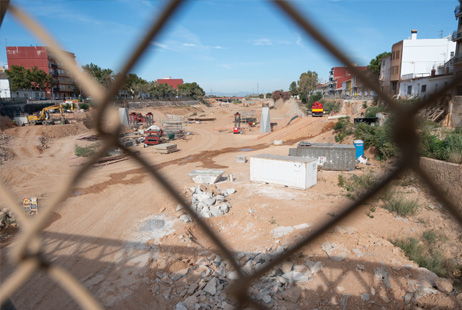
The floods that struck the Region of Valencia and Castile-La Mancha revealed a recurring pattern: much damage initially considered minor proved complex later. A flooded basement might conceal severe electrical damage; a rain-affected façade could have internal leaks; industrial equipment shut down due to dampness may entail hard-to-quantify production losses. In such a scenario, the broker becomes the guarantor that each claim is properly documented, assessed using technical criteria, and processed according to the contract. Their role is akin to that of an orchestra conductor, who must efficiently coordinate the insurer, loss adjusters and even repairers, striving to avoid duplication, misunderstanding, and minimising downtime that harms the client.
This is not merely a technical process. Claims handling carries a profound emotional burden. People see their homes damaged, families lose essential belongings, self-employed workers cannot open their businesses, and companies have to halt operations.
The broker does not just handle paperwork: they listen, guide, translate insurance jargon, provide reassurance and help the policyholder feel supported. This human element is one of the profession’s greatest strengths and one of the reasons why, year after year, insurance brokerage remains a trusted figure for citizens.
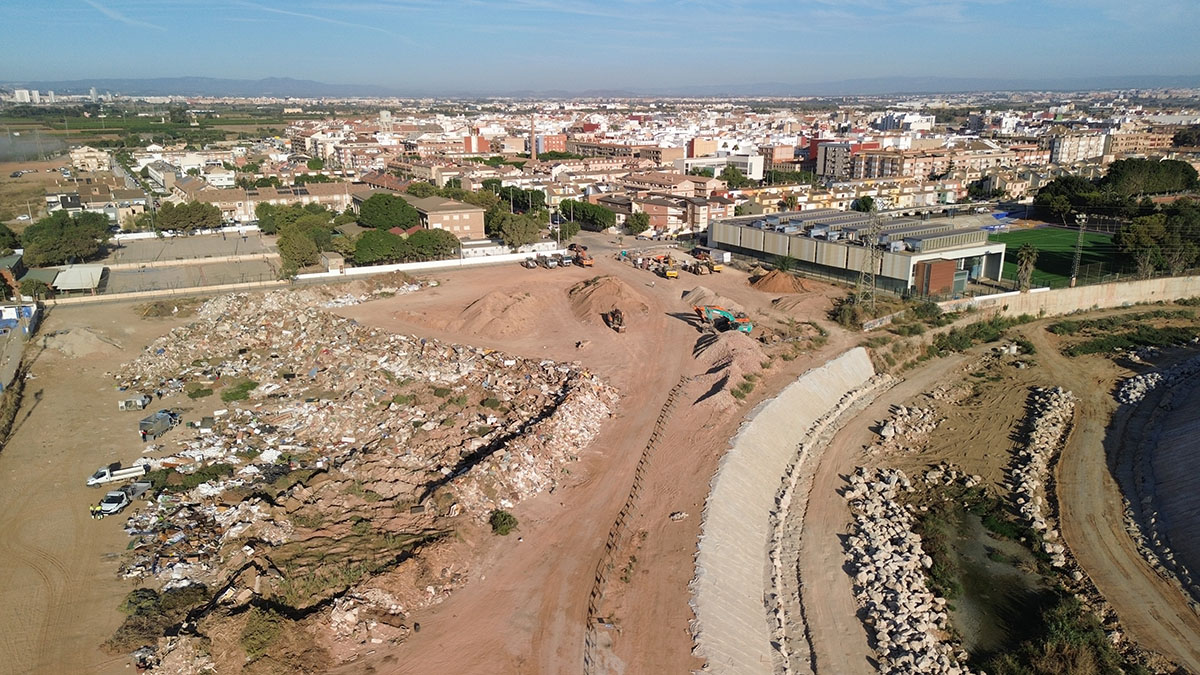
The floods, which had their epicentre of suffering in Valencian towns such as Paiporta and Catarroja, also highlight the need to strengthen insurance awareness in Spain. Many people are unaware that a basic home policy already activates Consorcio protection, they do not know that certain damage require additional coverage, or do not realise that property maintenance directly affects coverage. From the General Council, we work to grow this insurance awareness, because an informed society is a more protected society. We collaborate with government agencies, schools, vocational training centres, universities, media outlets, and sector organisations to promote information campaigns, explain the advantages of having insurance and raise awareness about a key element in people’s lives that it inevitably becomes present in their existence.
Each natural catastrophe serves as a reminder of the need for a strong, accessible and well-structured insurance system. The role of brokerage, far from being ancillary, is central. We are an essential part of the mechanism that enables society to recover after a catastrophe.
The October 2024 Floods generated an unprecedented volume of claims in several regions, primarily in the Region of Valencia, with hundreds of thousands of claims handled by Consorcio de Compensación de Seguros. This situation highlighted the social and operational role of insurance brokers, professionals who acted as the first point of support for many policyholders, but it also revealed bottlenecks, procedural shortcomings and areas for improvement in the relationship between brokers, insurers and Consorcio. The sector’s balance combines institutional gratitude for the work carried out with clear demands for changes in procedures and channels to make claim handling more agile and effective in future events.
From the brokerage sector, a series of circumstances were identified that provide clear lessons for future extreme situations like those experienced in autumn 2024. The most notable were:
Saturation of customer service channels: during the first days it was extremely difficult to contact Consorcio by phone. The avalanche of claims and the call centre overload prompted led to calls to prioritise online channels and organise coordinated professional support.
Imbalance between workload and assessment resources: the volume of appraisals exceeded initial capacity, forcing CCS to mobilise and request collaboration from loss adjusters and agree formulas with companies to speed up assessments.
Need for simplified procedures and temporary exceptions: strict application of deadlines or bureaucratic requirements (documents, formalities) in disaster situations hinders rapid resolution of claims. Although brokers and Consorcio took steps to streamline and simplify procedures, clearer regulatory and operational frameworks are needed to apply exceptions quickly.
Need for greater clarity on compensation criteria and claim status: the claim handler, whether policyholder or their broker, needs easier access to claim status and criteria explaining delays or rejections. Although CCS enabled online consultation channels, more direct and functional access would be key in future situations.
In addition to these main aspects, there are other specific demands from insurance mediation to strengthen and improve the claim handling system in these extreme circumstances:
Formal participation in crisis and coordination committees. This is a crucial element, especially considering that Broker Associations are public law corporations; that is, natural collaborators of the Administration. Thus, measures on prioritising assessments, appraisal criteria or administrative exceptions, among others, can be shaped with brokers’ practical experience.
Identification of the broker by Consorcio in case of loss events. If the policy is brokered, Consorcio does not currently identify the professional involved. In serious loss events, where the client has lost everything, even the ability to communicate, the broker could receive communications on their behalf.
Streamlined protocols for shared expert assessment. Mechanisms should be established to quickly activate a pool of loss adjusters. This requires prior agreements between Consorcio and insurers to assign loss adjusters or carry out joint assessments; set up support lists and tools to prioritise urgent cases, such as shops and self-employed workers at serious risk of permanent business closure.
Document simplification and clear temporary exceptions. It is advisable to establish a minimum package of initially admissible documents (photos with metadata or standardised forms that can be filled out on-site by the broker) and allow supplementary documents to be submitted later without penalties for formal deadlines when dealing with extraordinary damage.
Clarity and communication of criteria: Another point that could be further developed concerns the possibility of Consorcio publishing indicative appraisal criteria for typical damage (vehicles, homes, business interruption) and public/private dashboards on handling pace, queues by type, and estimated average times. This information would be invaluable for brokers to better manage their clients’ expectations by accessing these operational indicators.
Coordinated campaigns and support for policyholders without a broker. The volunteer work of the Valencia Brokers Association on the ground, as well as those working remotely via the service set up by the General Council, shows the importance of institutional recognition and use of professional broker volunteering to assist policyholders without documents or digital access. This work must be regulated and coordinated to avoid jurisdictional conflicts and protect data.
Specific training and emergency protocols. A catastrophe is always the prelude to the next. Hence, continuous practical training and the development of manuals enabling brokerage agencies to act with standardised protocols during the first critical 48–72 hours are key. The professional association network, with the capacity to operate throughout Spain, has the necessary training resources to carry this out. Its Insurance Business School, CECAS, with over 50 years of history and 180,000 trained students, illustrates the Associations’ potential in this field.
When proposing the aforementioned measures, the Brokers’ Associations, as representatives of the entire profession, are also aware of certain risks that must be taken into account likewise. They could be summarised in three points:
Data protection and express authorisation: representation or acting on behalf of the policyholder requires authorisation mechanisms and clear limits to avoid misunderstandings or privacy breaches.
Avoiding conflicts of interest: collaboration between insurance companies’ loss adjusters and those from Consorcio must be regulated to preserve technical independence.
Do not turn assistance into commercial activity: volunteer work or technical assistance must remain separate from commercial prospecting. The Professional Associations have always insisted on ethical controls.
The tragic events caused by these floods — and those that will inevitably occur again — confirm the strength of the Spanish insurance model, but also the need to continue strengthening it. Consorcio, insurers and brokers form an ecosystem that only works fully when all its gears are aligned and communicated.
As insurance brokers, we are ready to assume that role of bridge, of technical guarantee and of human support that citizens need in times of crisis. That is why we demand improvements that are not merely corporate but systemic: more streamlined procedures, professional access channels, participation in emergency committees, and specific training to act from the very beginning.
Our commitment is clear: to stand by the policyholder, improve every process and contribute to ensuring that each catastrophe is managed more effectively than the last. Because, ultimately, what is at stake is more than claim handling: it is society’s trust in its protection system, and that trust is, and will continue to be, the raison d’être of insurance mediation.
The first step an insurance broker takes after a cut-off low appearance, implying heavy rainfall and flooding, is usually to understand who compensates and under what procedure. Professional brokerage offers clarity. We explain to the client not only which coverage is activated, but how, when, with what documents and what reasonable expectations they can have.